After spending my first few days in London, my friend and I headed back to her place in Hull. She showed me around her town and took me to spots she knew I’d love. I stayed with her while I was there, and that’s where I was finally greeted by Lilliligin! Hull is a small city about two hours away from London by train. Once again, I was amazed by how efficient and comfortable their trains are.
Here in the US, we do have trains—Amtrak being the most well‑known passenger line—but the routes and services are limited. One thing I do appreciate about Amtrak, though, is that some of their routes offer breathtaking views across the country. My next goal is to ride the California Zephyr from Chicago to Emeryville (San Francisco). That’s definitely going on my travel list.
See Amtrak California Zephyr route: https://www.amtrak.com/routes/california-zephyr-train
I really don’t mind driving at all! In fact, I prefer driving. I don’t know why, but long drive with good music and listening to podcast feels therapeutic. Driving state-to-state and exploring has been a great therapy to me especially I have been busy with work and finishing my masters. Never train rides would also be soothing, enjoying the view and having sips of D.I.Y mimosa.

There’s a calm, almost meditative quality to UK intercity trains. Once you settle into your seat, the ride feels smooth and steady—no jolting, no loud rattling, just a gentle hum that makes you realize how different it is from most U.S. routes. It’s the kind of ride where you can actually look out the window instead of bracing yourself. The shift from London’s dense, urban landscape to wide‑open countryside happens quickly. You go from rows of brick flats and busy platforms to rolling green fields, clusters of sheep, and small villages that look like they were pulled from a postcard. It’s a reminder of how compact and varied the UK is—two hours feels like crossing into a different world.
Seeing how seamless the UK system is makes you appreciate what Amtrak does offer—especially those scenic routes like the California Zephyr—but it also highlights how much potential the U.S. has if long‑distance rail were more developed. That contrast becomes part of your travel reflection: two countries, two systems, two very different experiences.
Arriving in hull
After about two hours, we finally arrived in Hull. My friend’s husband and their kiddo were waiting for us at the station. I stayed at their beautiful, cozy home, which made the town feel even more welcoming. Hull itself is a small, cutesy city, and I immediately felt the spring chill in the air—colder than London, but still bright with sunshine. They showed me around their neighborhood, and we even did some grocery shopping together. At one point, we stopped by their nearby McDonald’s, and the menu was so different from what we have in the U.S. The portions were noticeably smaller, and every item had calorie counts listed. I actually loved that—seeing the numbers right there reminds me of my daily intake and helps me stay mindful of carbs, protein, and calories, especially since I’m trying to stay healthy and shed a bit of weight.
Hull reminded me a lot of my town back in the U.S., but with one big difference: walkability and transport system. They have real sidewalks, and shops are close enough that you can actually walk from place to place. In the U.S., stores are often a mile apart, and if you live in a small city or town, getting around without a car is almost impossible. Honestly, walking around in a small American town sometimes makes people assume you’re homeless—crazy, right?
going around hull
Next day, we stroll around the area and I really liked how small and easy to go around the town. Walking around while sun’s out sure is amazing. According to Britannica.com in 1293, the wool port of Hull was passed down from the monks of Meaux Abbey to King Edward I of England. The town was renamed Kingston upon Hull by Edward. It thrived because it served as the primary port for ships traveling along the inland rivers that empty into the River Humber estuary. Up until the late 18th century, when it began to rapidly expand, the town was confined to its medieval position. Since then, development has occurred to the east, north, and west.
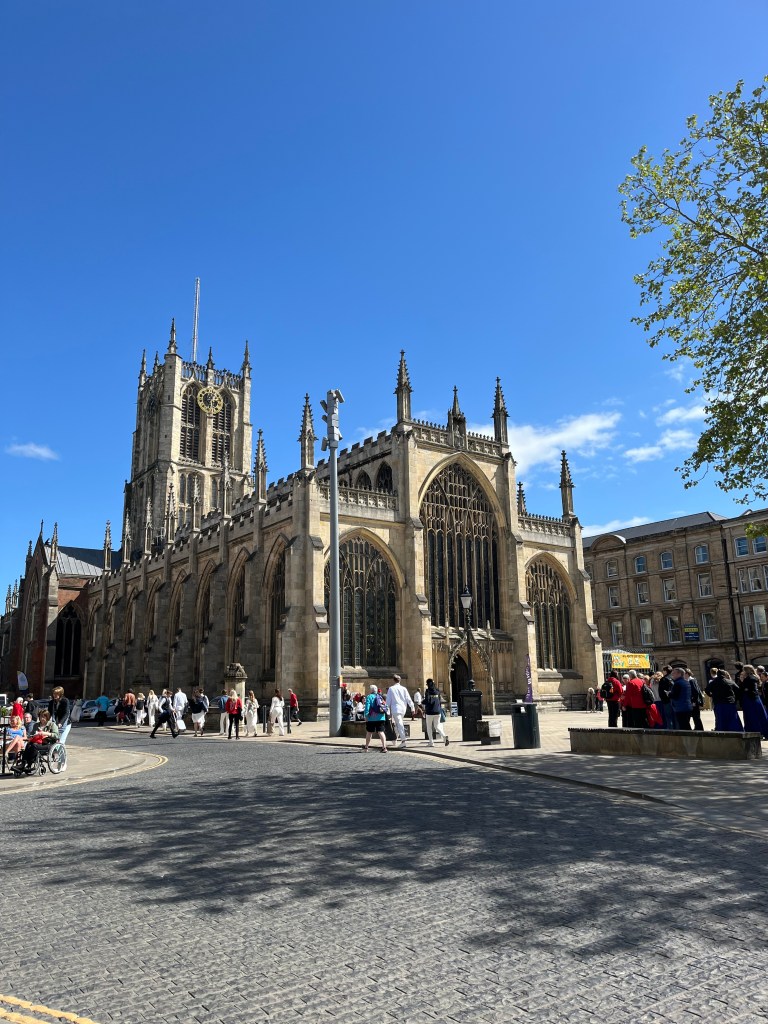
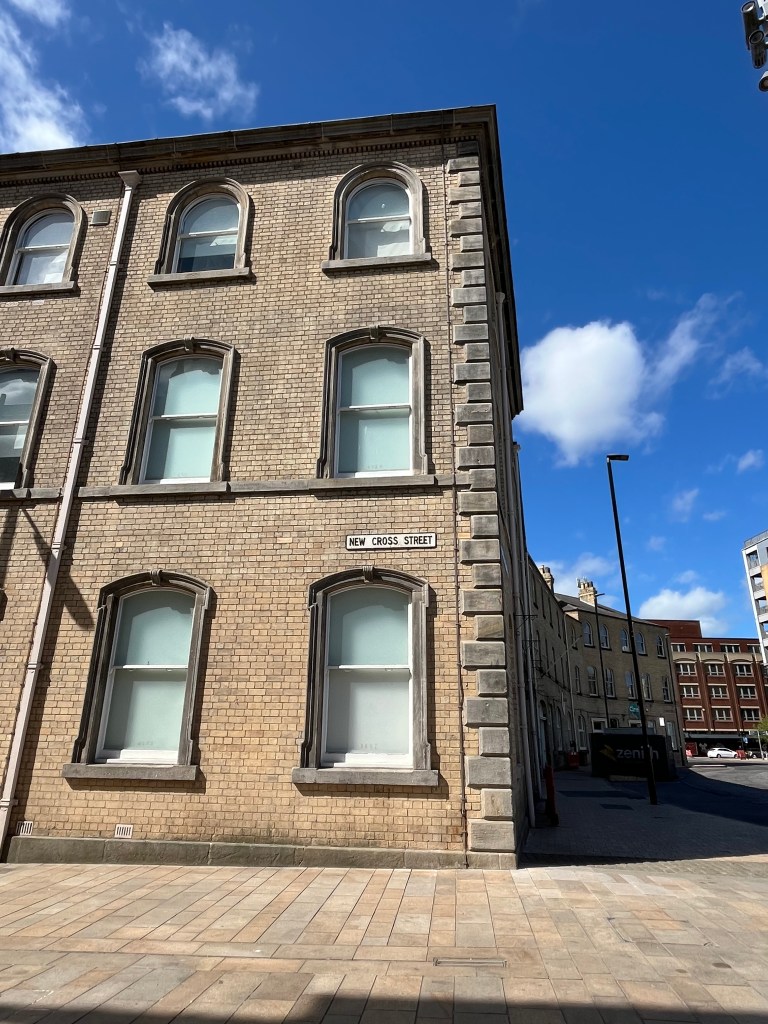
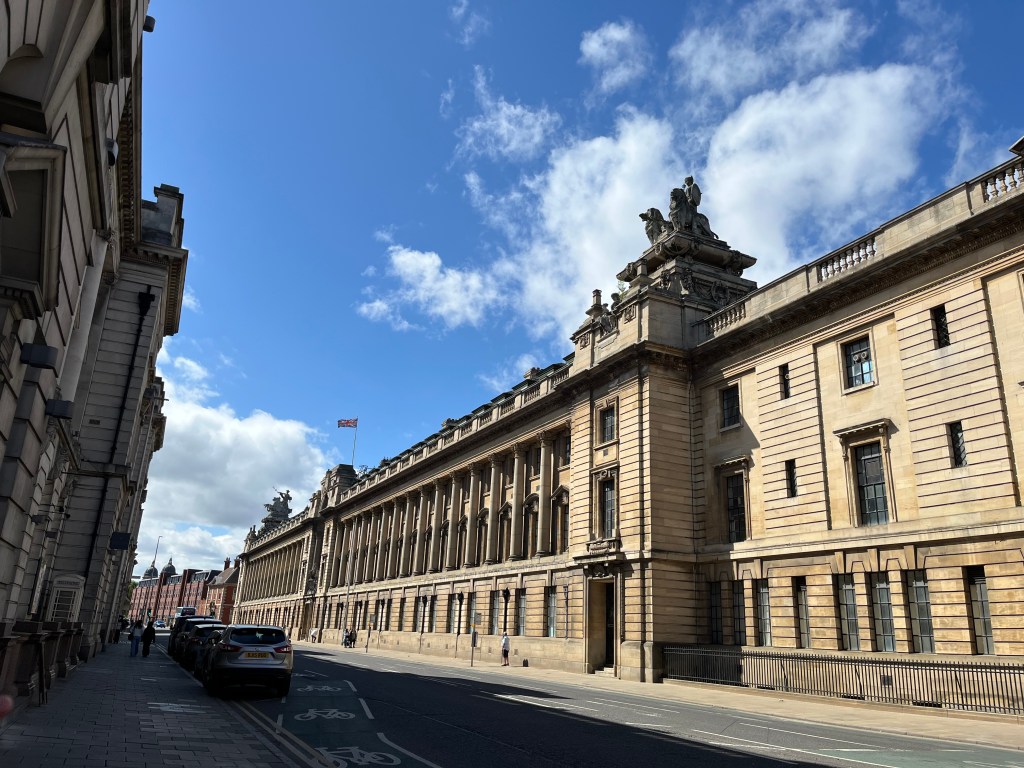
Hull may be small, but it left a big impression on me. There was something comforting about its slower pace, walkable streets, and the feeling of being tucked into a real neighborhood rather than just passing through a tourist spot. Staying with my friends made it even more special—sharing meals, running errands together, and slipping into their everyday life for a moment. It reminded me how different the rhythm of life can be from one place to another, and how refreshing it is to step into someone else’s world. Hull might not be the first place people think of when they plan a UK trip, but for me, it became one of the most grounding and memorable parts of this journey.
Flamborough!
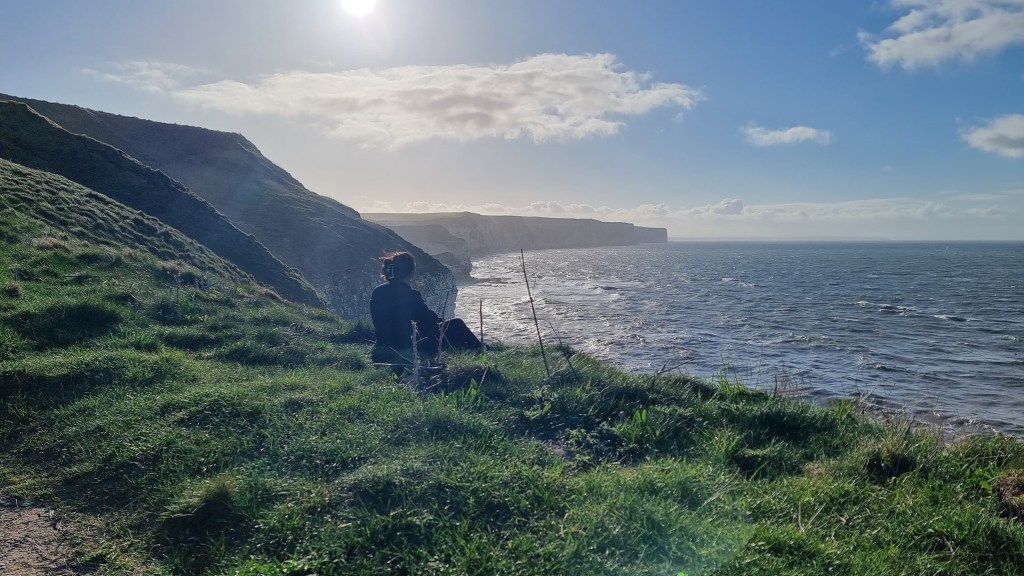
Flamborough isn’t far from Hull—only about a 30‑minute drive, if I remember correctly. On the way there, I got to pass by the kind of beautiful countryside scenery that will always remind me of my time in the UK. These charming little towns and rolling fields never fail to amaze me.
My friend’s husband drove us, which was funny because she can drive but absolutely refuses to. Well… what are husbands for, right? Jokes aside, we headed to one of their favorite hiking spots nearby. Flamborough is a coastal village known for its dramatic 400‑foot chalk cliffs, and it’s home to the largest mainland seabird colony in the UK. It’s a popular place to spot puffins, razorbills, and even seals.
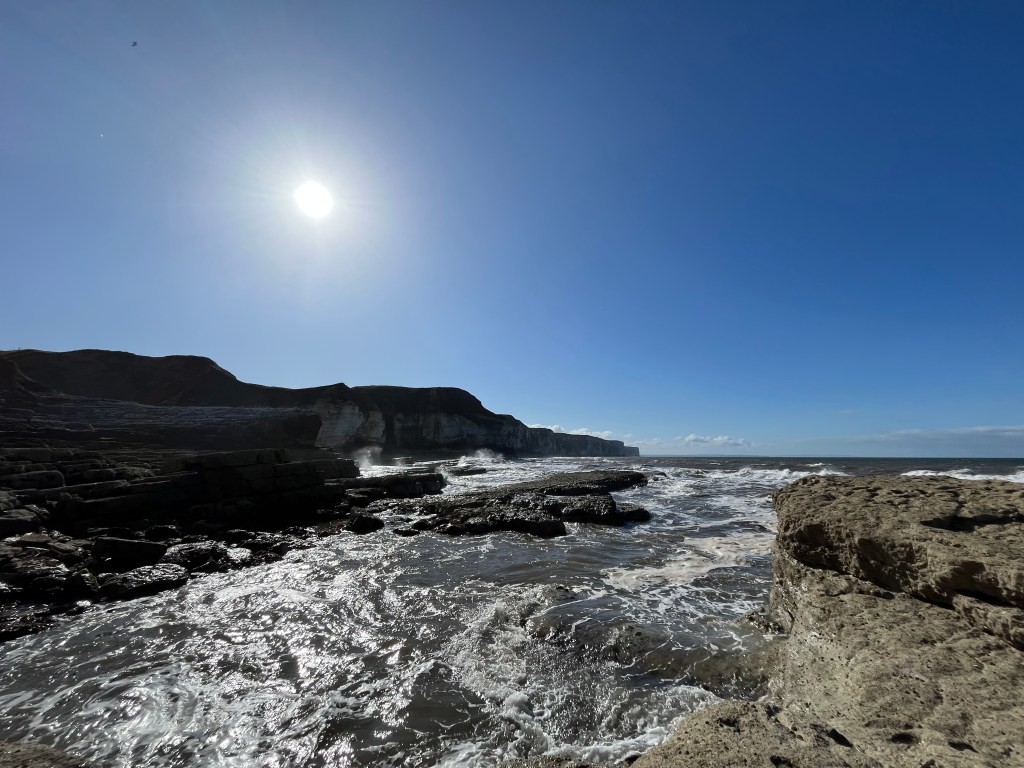
That day, it was so windy you could practically get blown off the path. Even though I was still recovering from my sprained ankle, there was no way I was saying no to an adventure. We walked the trail, took photos, and had a few little misadventures along the way—exactly the kind of moments that make a trip unforgettable.
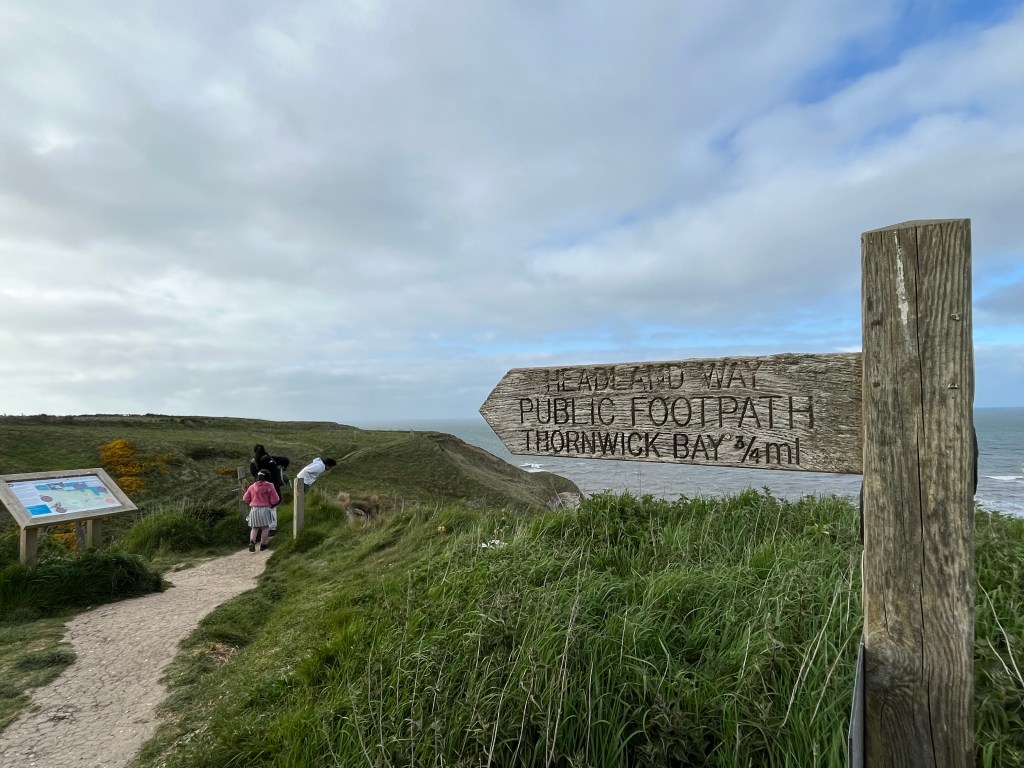
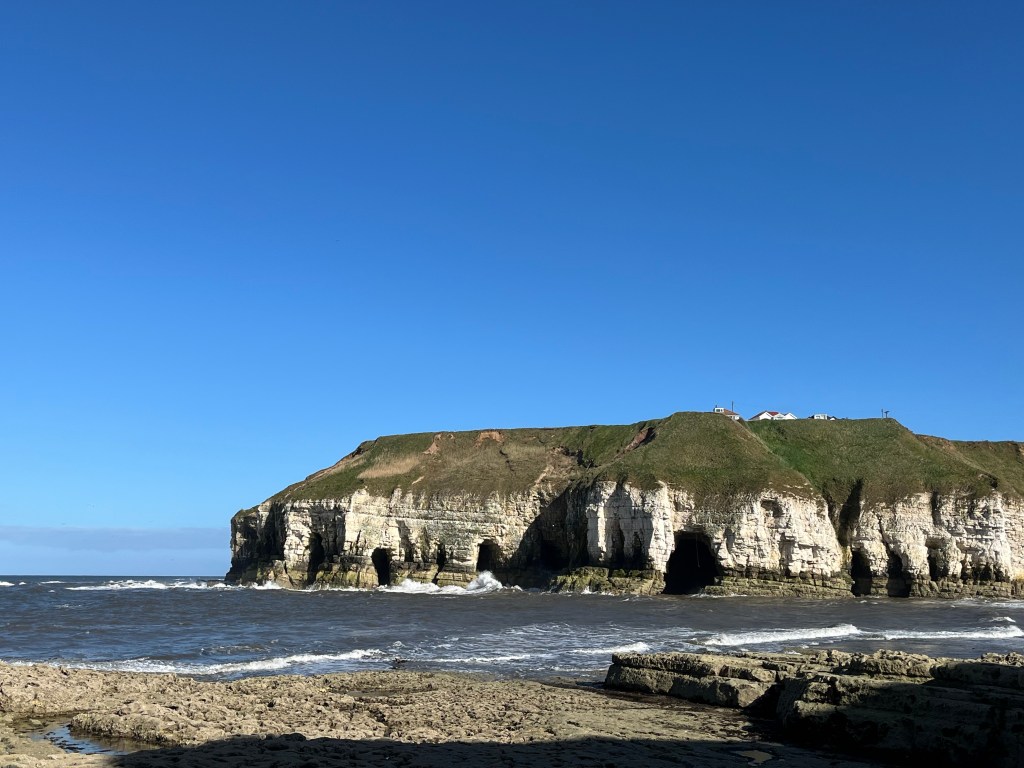
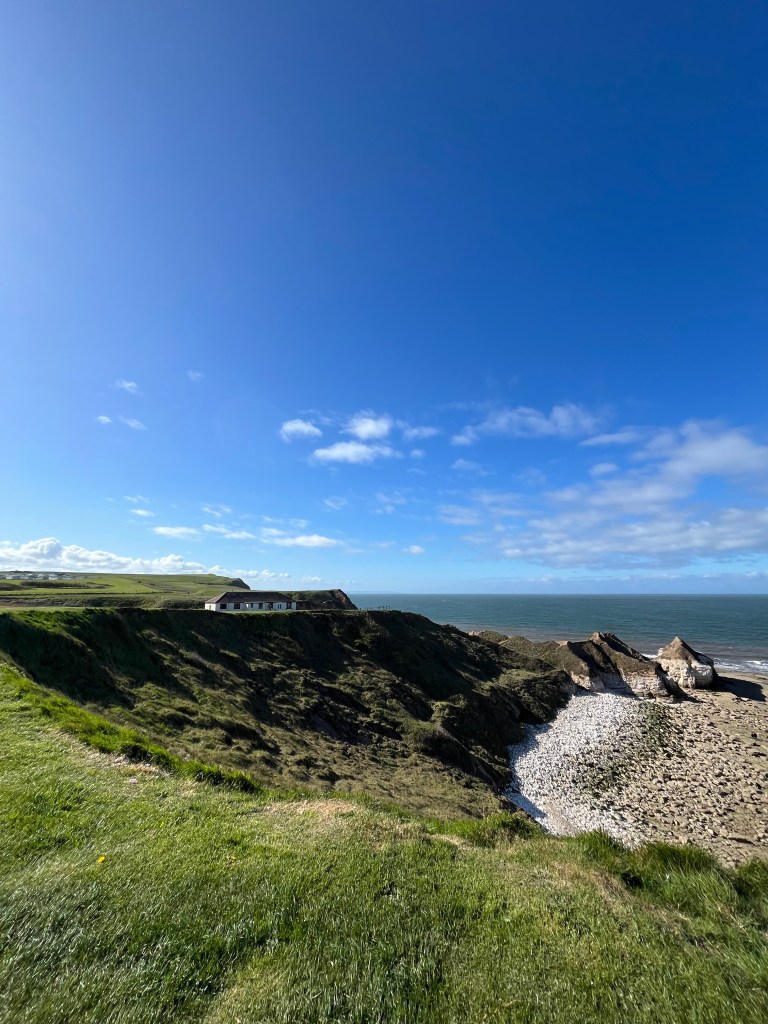
Leaving Flamborough felt like stepping out of a postcard. Even with the wild wind and my ankle still healing, the whole experience reminded me why I love traveling: the mix of beauty, unpredictability, and tiny moments that stick with you long after the trip ends. As we headed back to Hull, I found myself replaying the cliffs, the sea air, and our little misadventures—grateful for the kind of day you can’t plan, only enjoy.
knaresborough castle and town
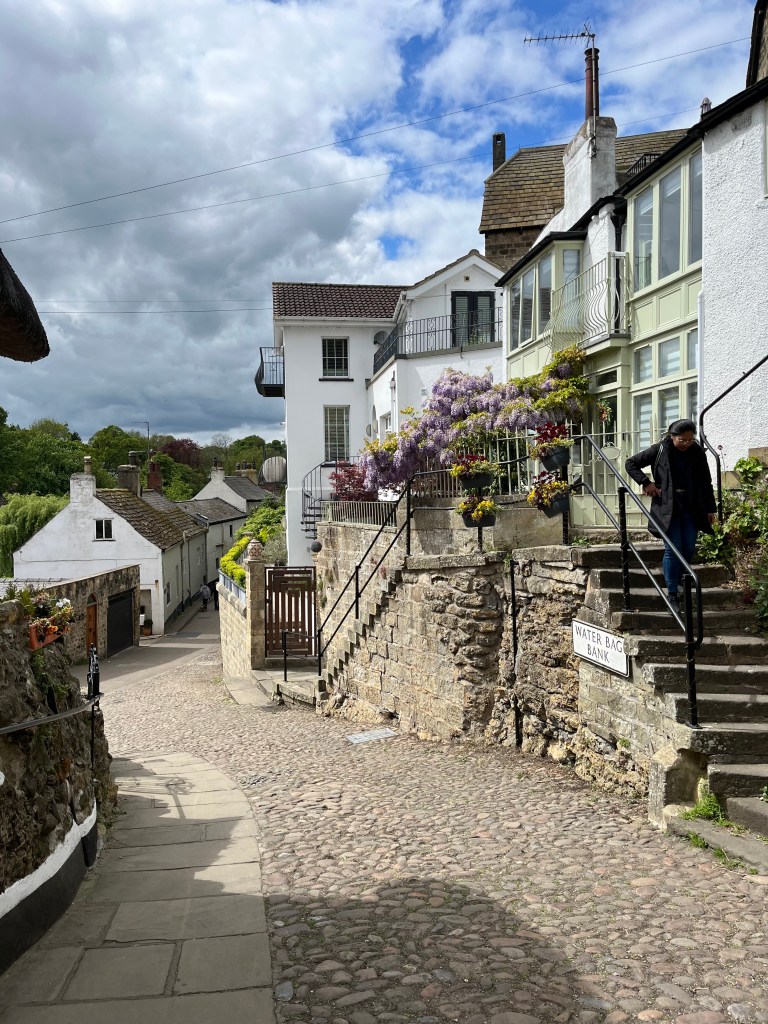
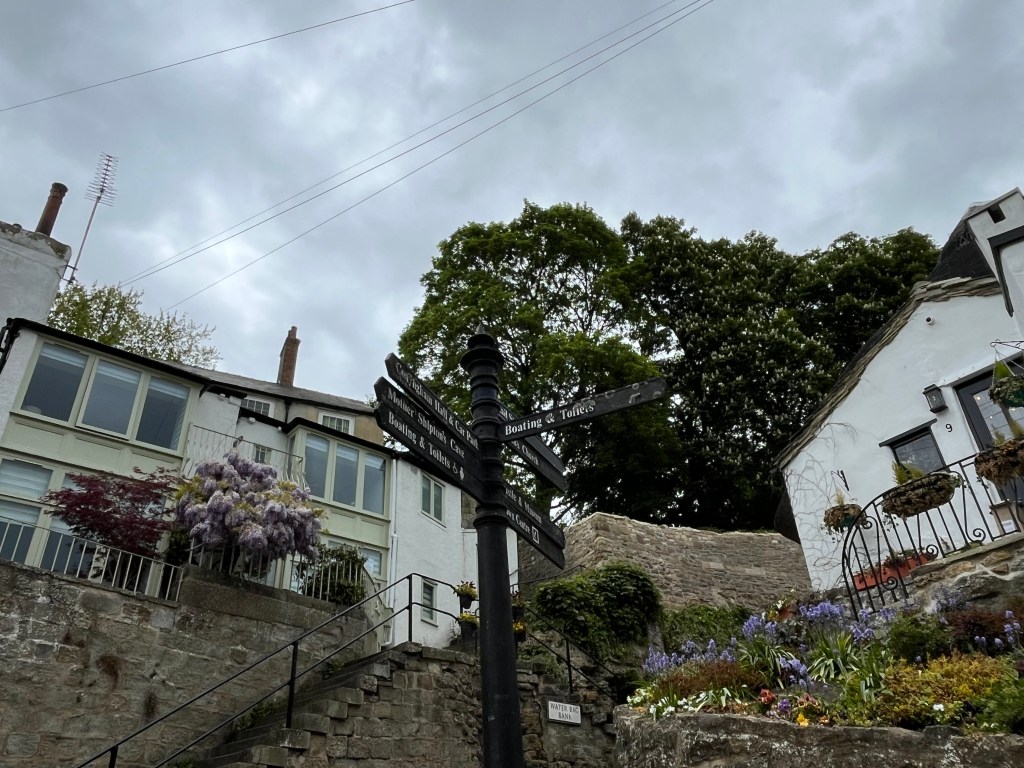
After our Hull and Flamborough adventures, we headed out the next day to Knaresborough Castle and the surrounding town. Knaresborough may be small, but it truly feels like stepping back in time. The town offers a scenic, historic experience with its 12th‑century castle ruins, a 14th‑century courthouse museum, and panoramic views of the River Nidd and its iconic viaduct.
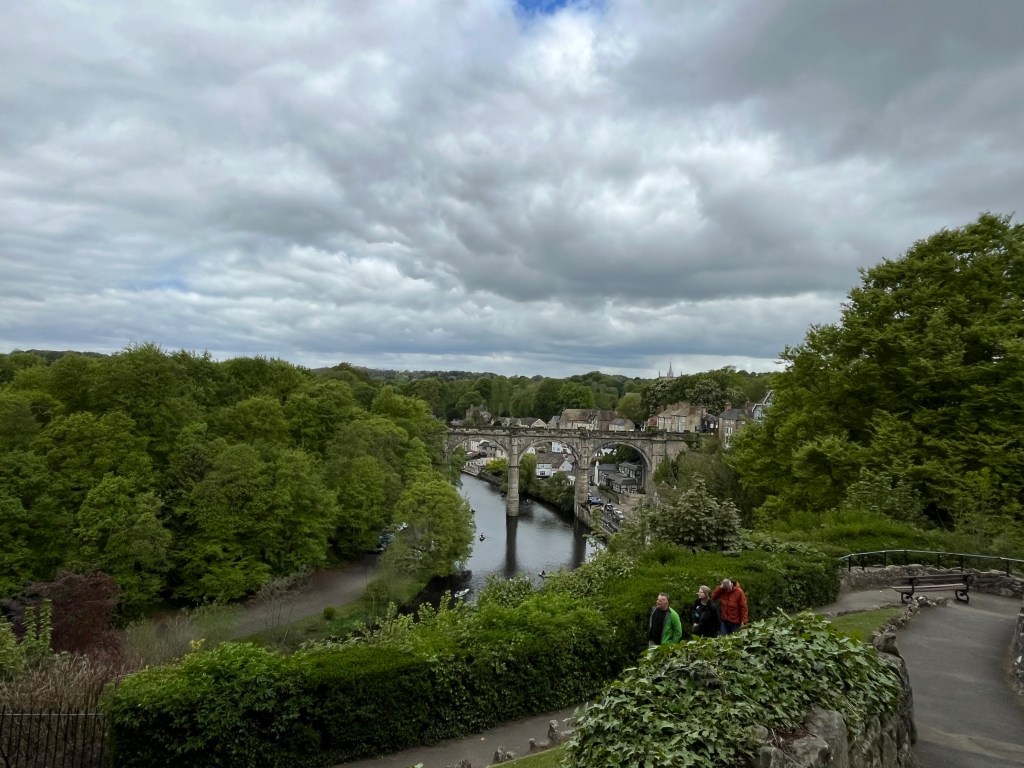
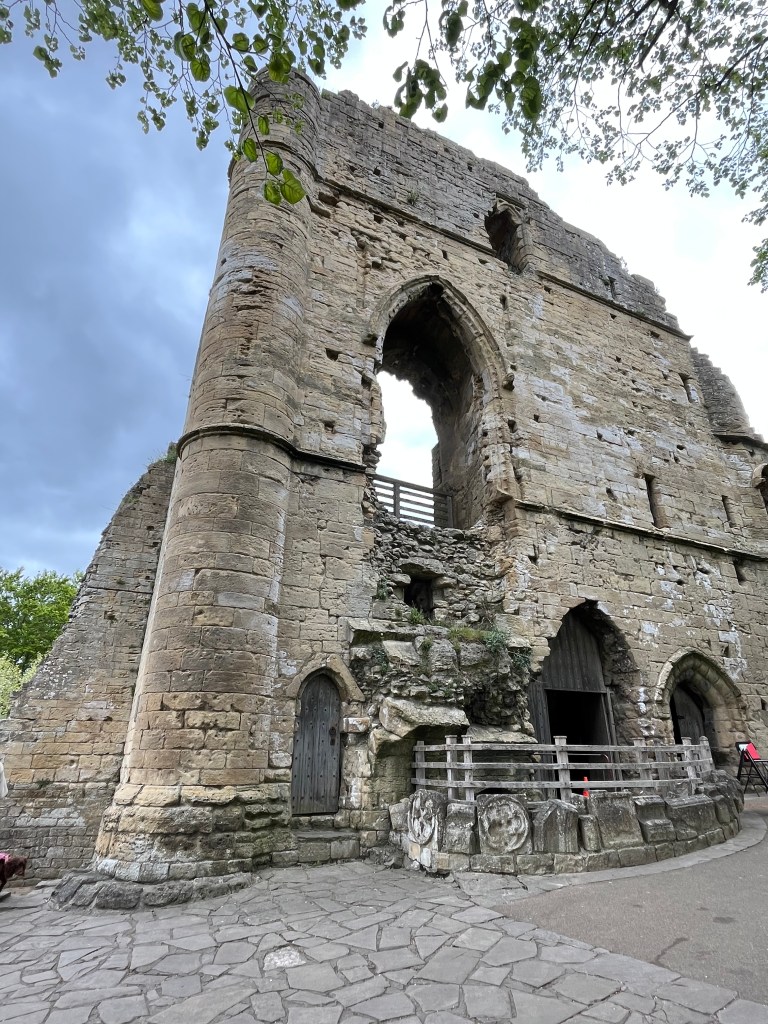
The town is known for its steep medieval streets, and we made our way up to explore the ruined castle and courthouse. According to Great‑Castles.com, the site is rich in history—some of the castle’s hidden passages were carved straight through solid rock and once led to a sallyport beneath the main structure. If the castle were ever attacked, these tunnels would have served as a secret escape route. The King’s Tower, complete with its dungeon and cellar, is considered the highlight of any visit and dates back roughly 700 years.
After strolling around Knaresborough Castle and the old courthouse, we headed down into the town and toward the River Nidd for lunch. The whole area felt like something out of a storybook—stone bridges, riverside cafés, and that unmistakable old‑town charm. After eating, we decided to go kayaking on the river, which gave us a completely different view of the town. Paddling along the calm water, surrounded by cliffs, trees, and historic buildings, made the whole experience feel even more magical. There were so many little sights to take in that it was impossible not to fall in love with the place.
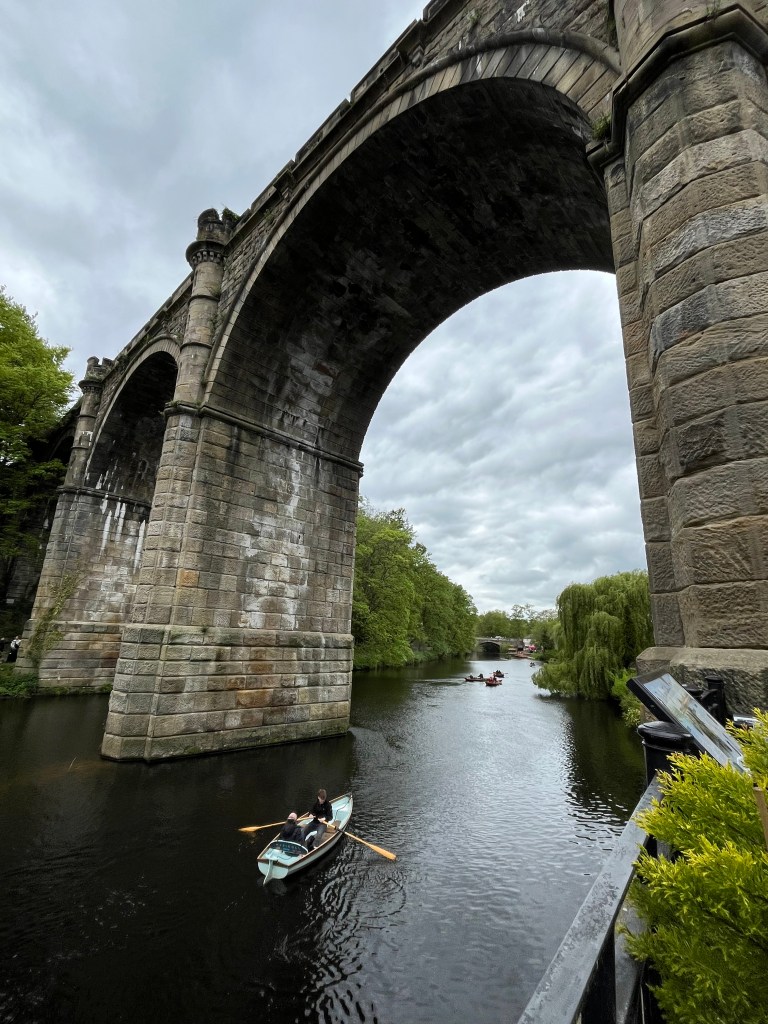
By the time we finished kayaking and wandering through the old‑town streets, I felt like I’d stepped into a completely different era. Knaresborough had this way of slowing everything down—between the river, the castle ruins, and the quiet charm of the town, it was the kind of place that stays with you long after you leave.
As we made our way back, tired but happy, I realized how much these little day trips were shaping my UK adventure: unexpected, scenic, and full of moments I never could’ve planned.
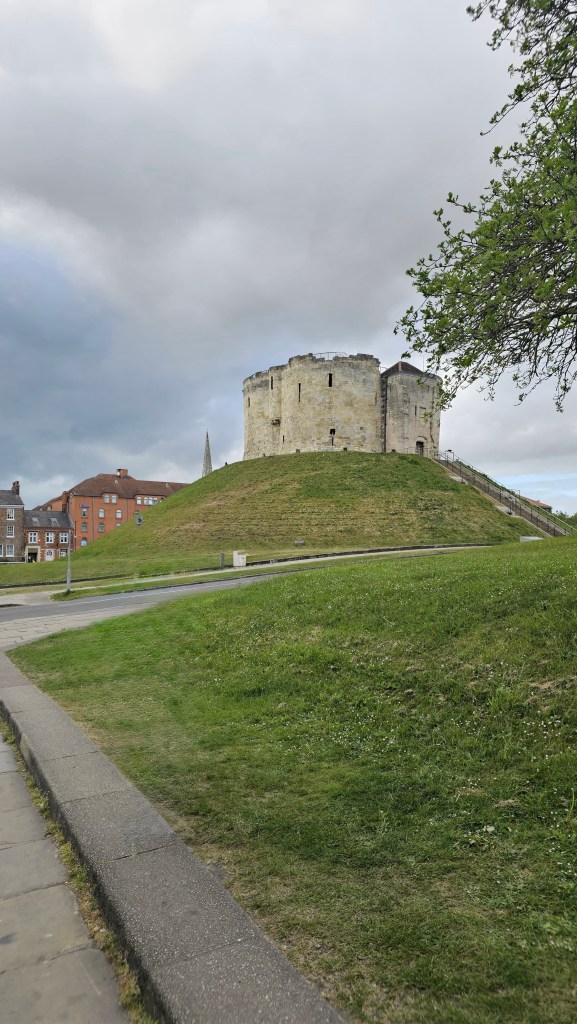
York!
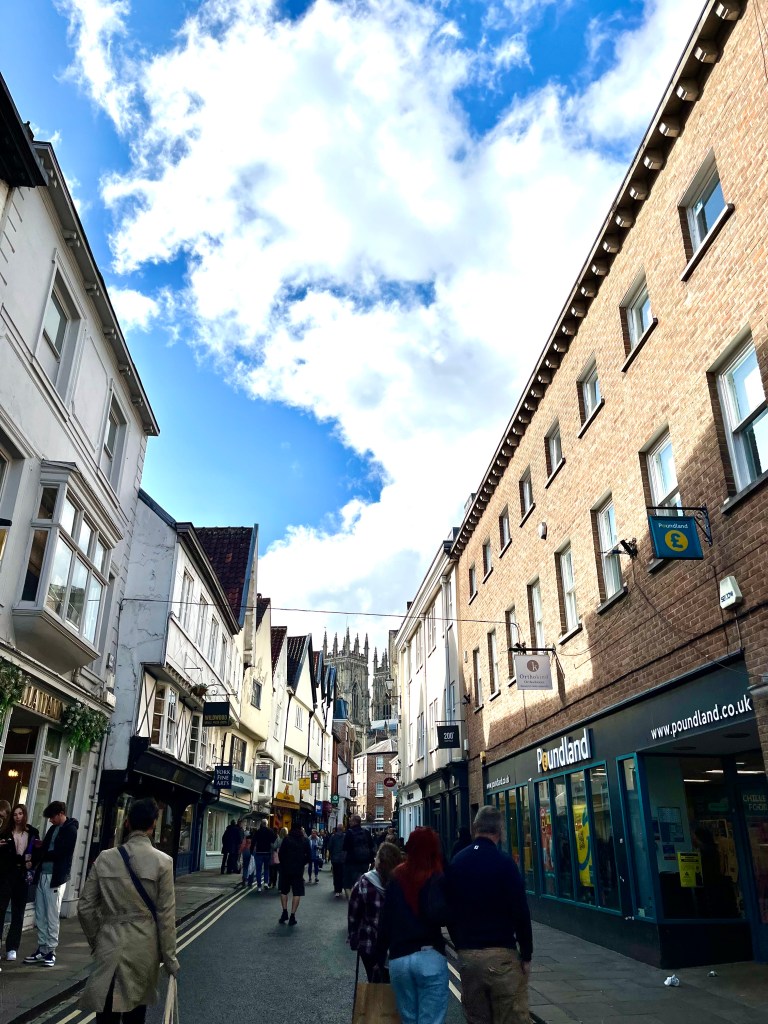
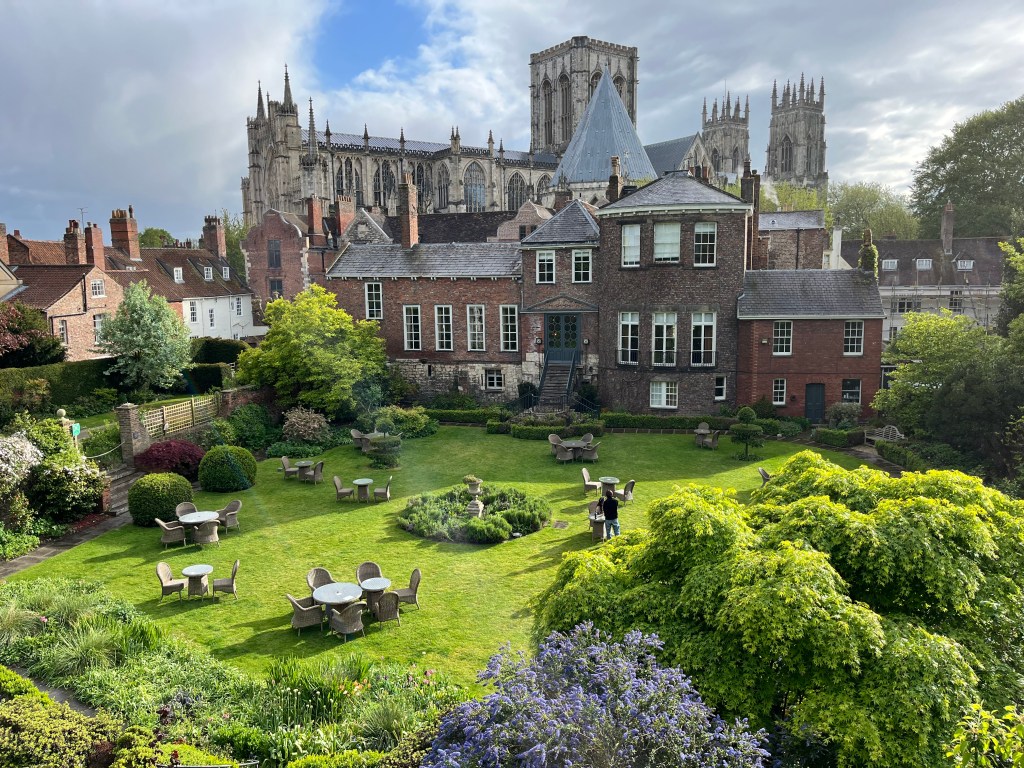
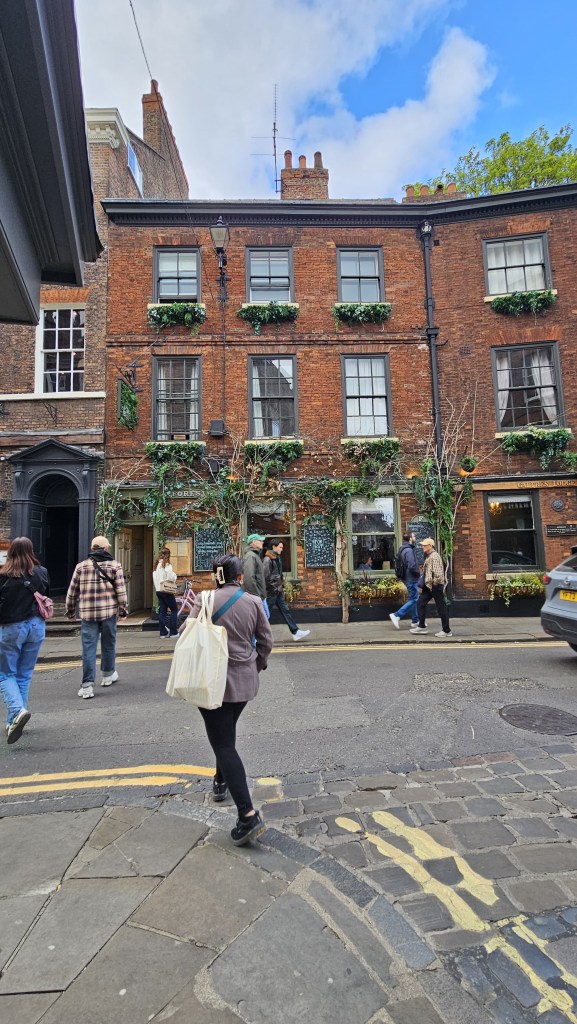
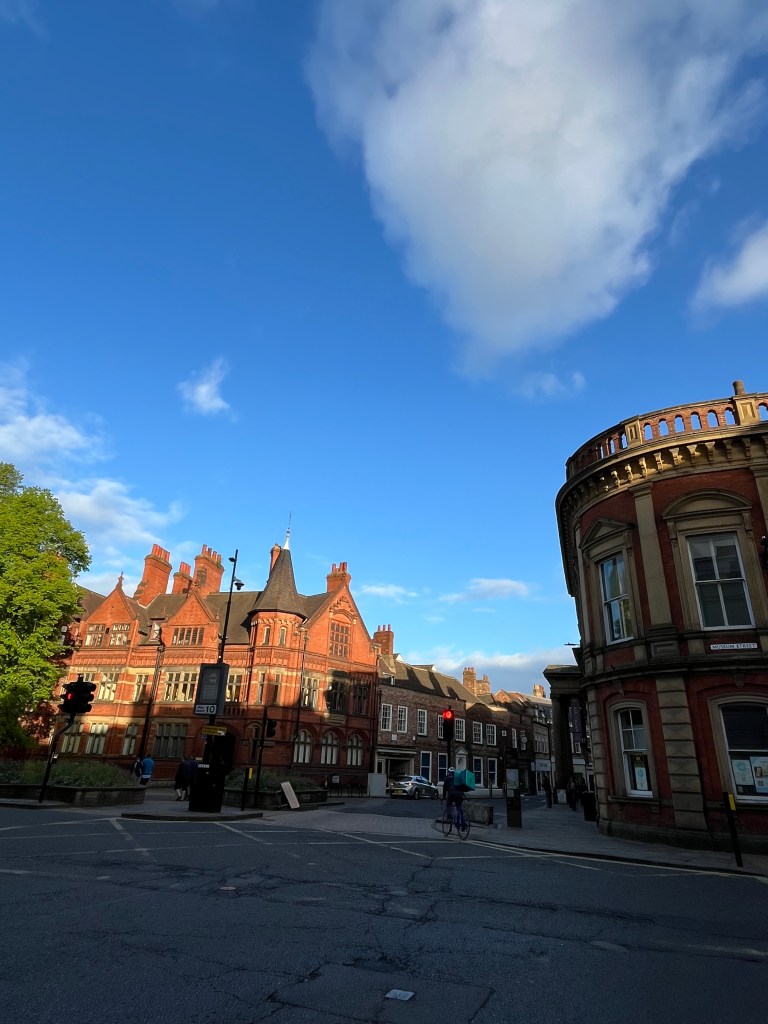
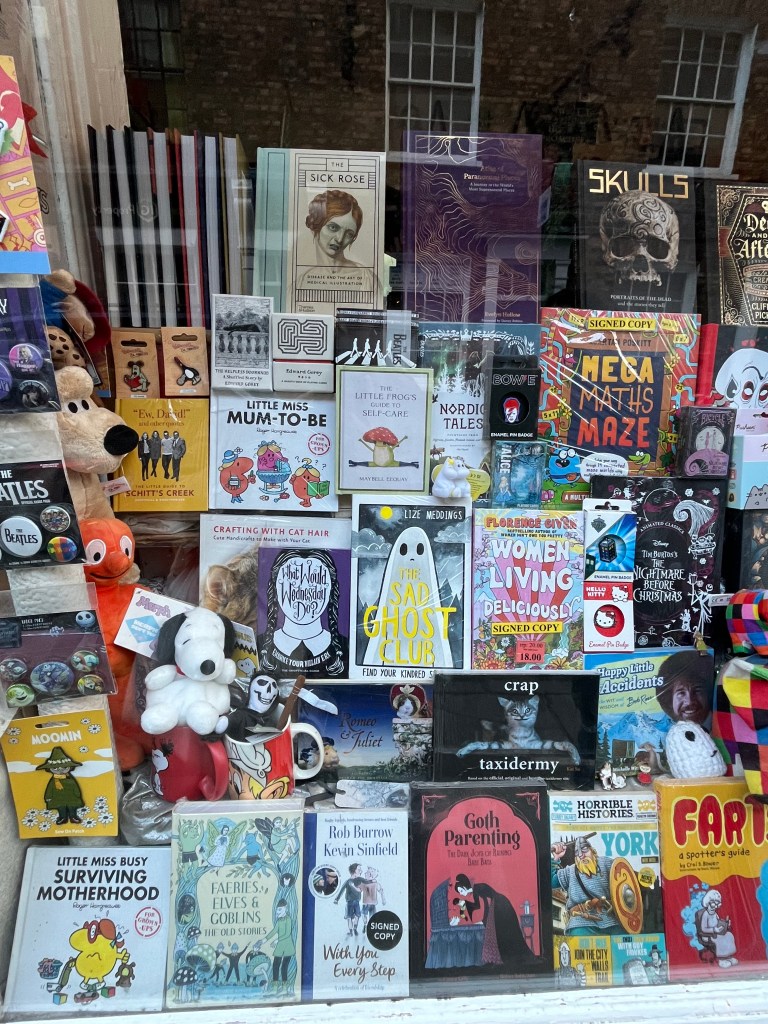
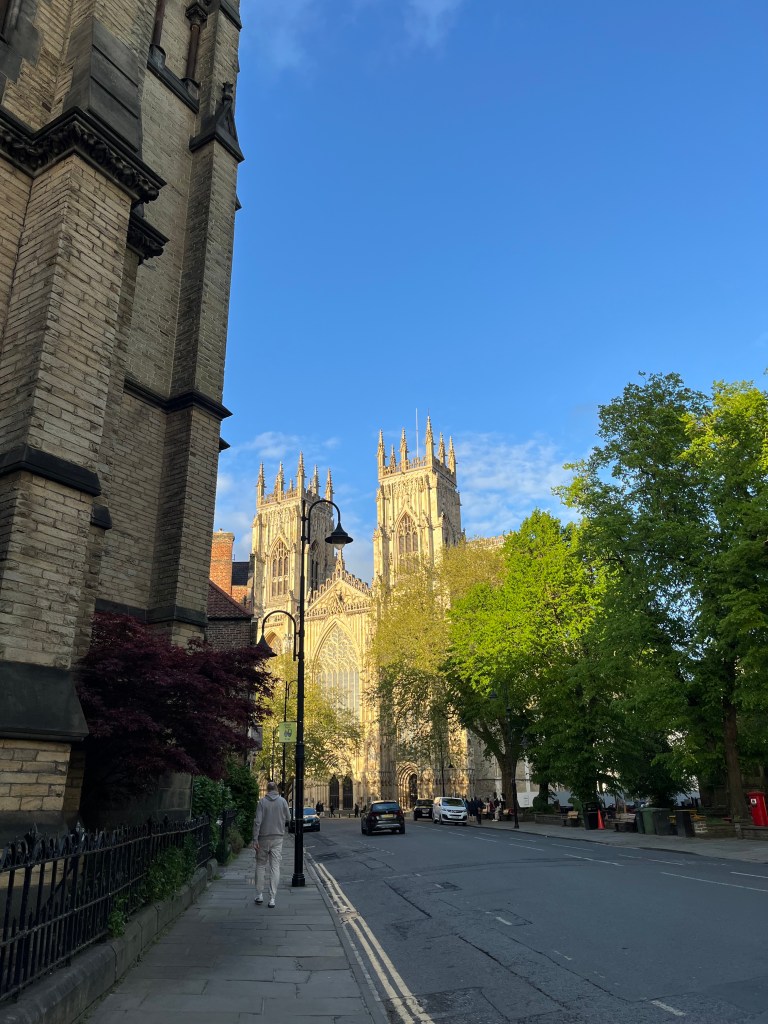
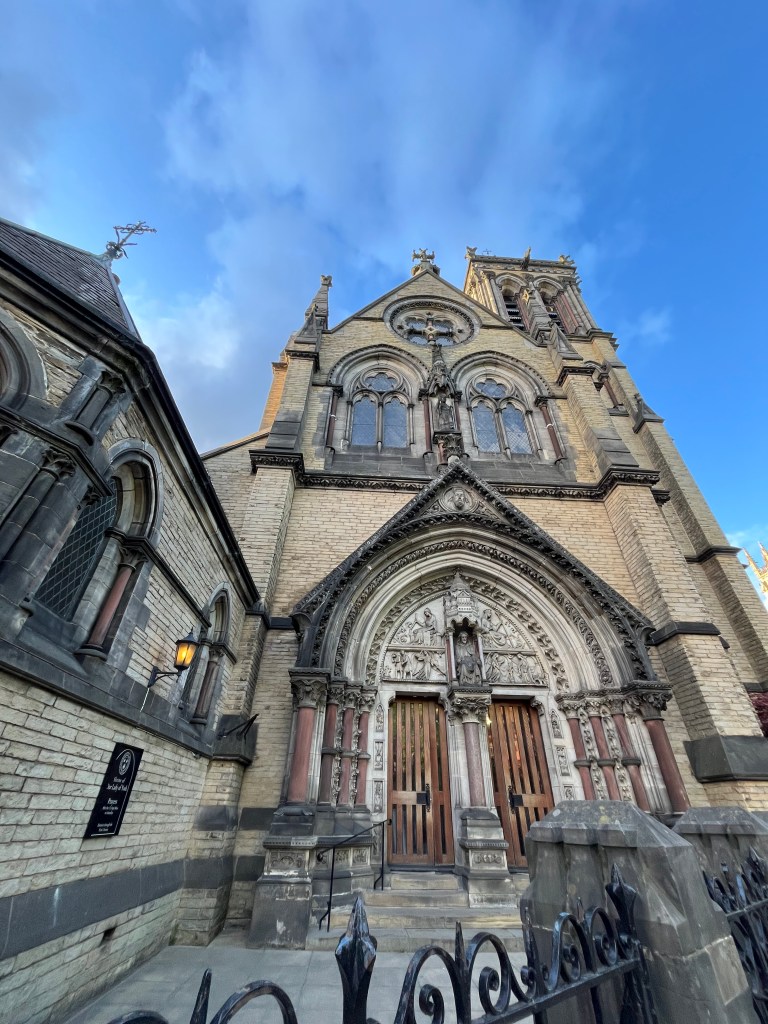
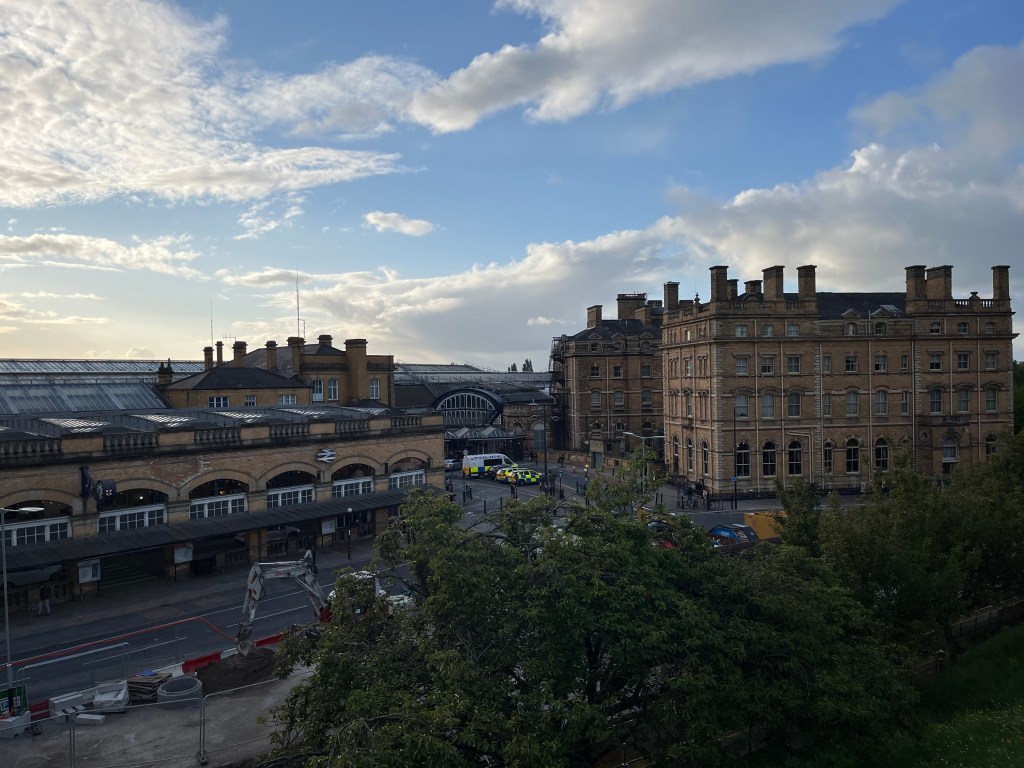
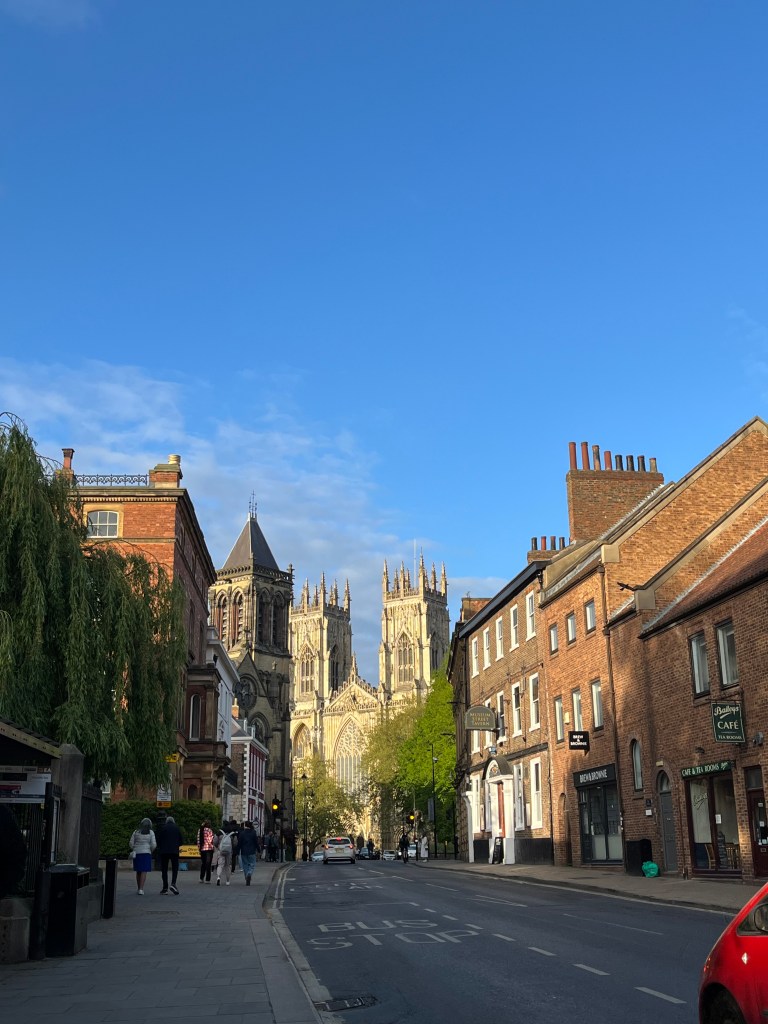
One of Arianna’s favorite places—as she always claims—is York, so she and her family brought me there for a day trip. And honestly, York was a whole different vibe! We went straight to York Minster, the famous historic cathedral that dominates the city. After exploring the area, we continued strolling through the charming streets of York. I was especially thrilled when I stumbled upon a tiny old bookstore that sold secondhand books. It was small and tucked away, but the moment I stepped inside, my heart felt at home surrounded by all those good old books.
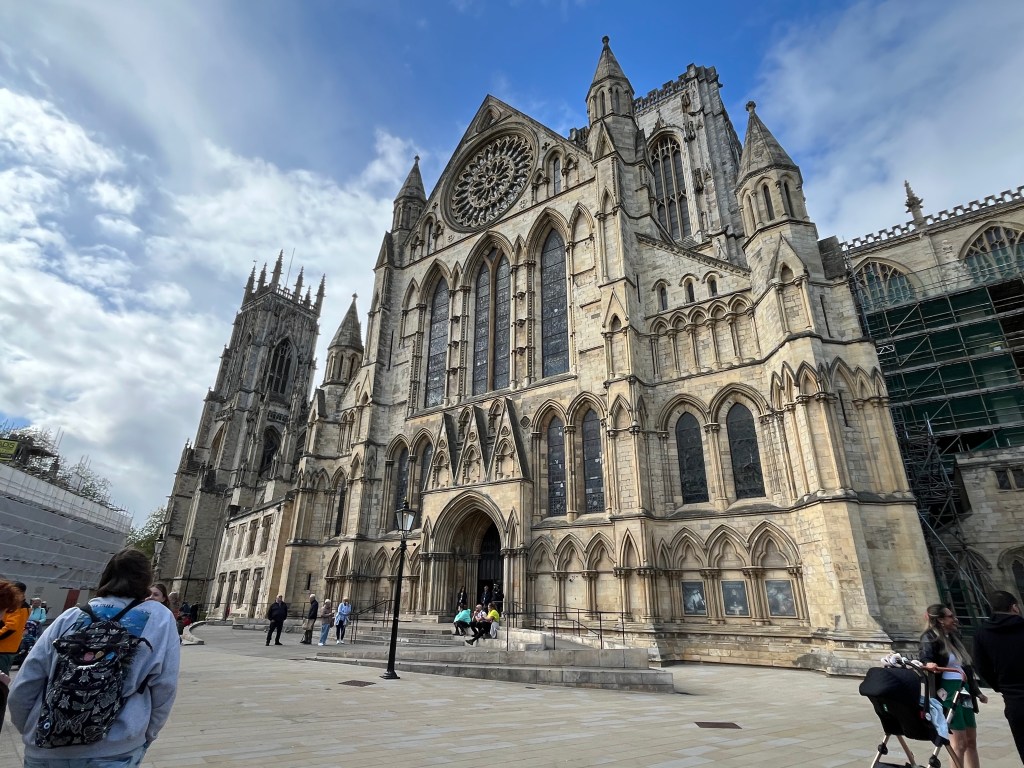
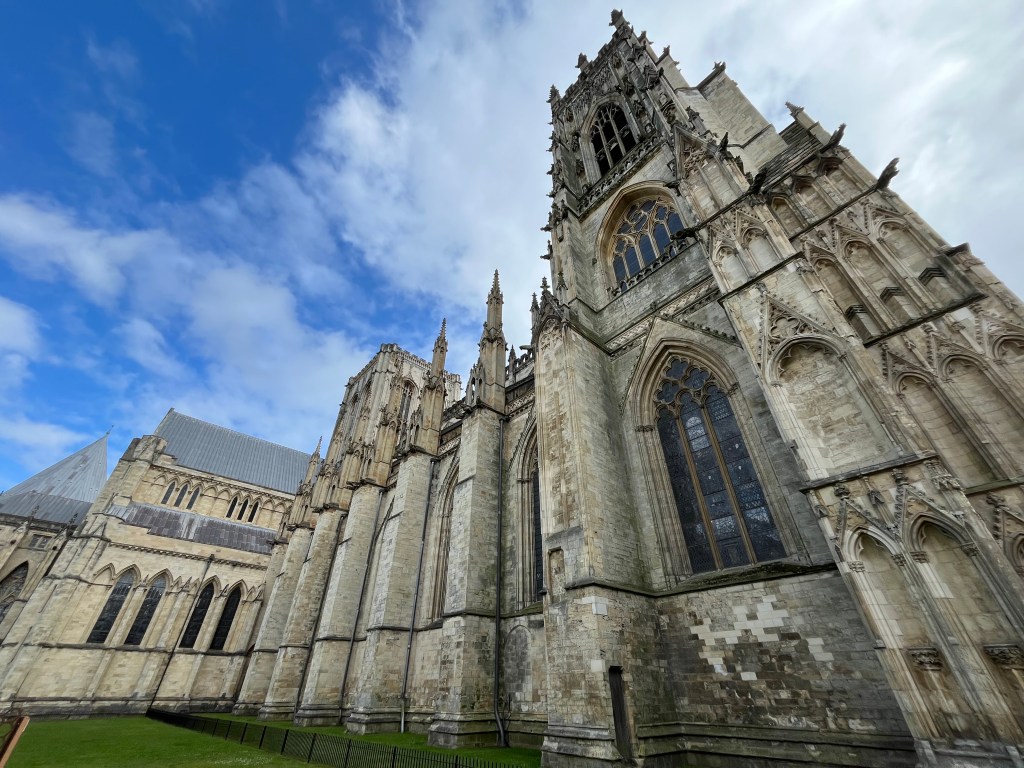
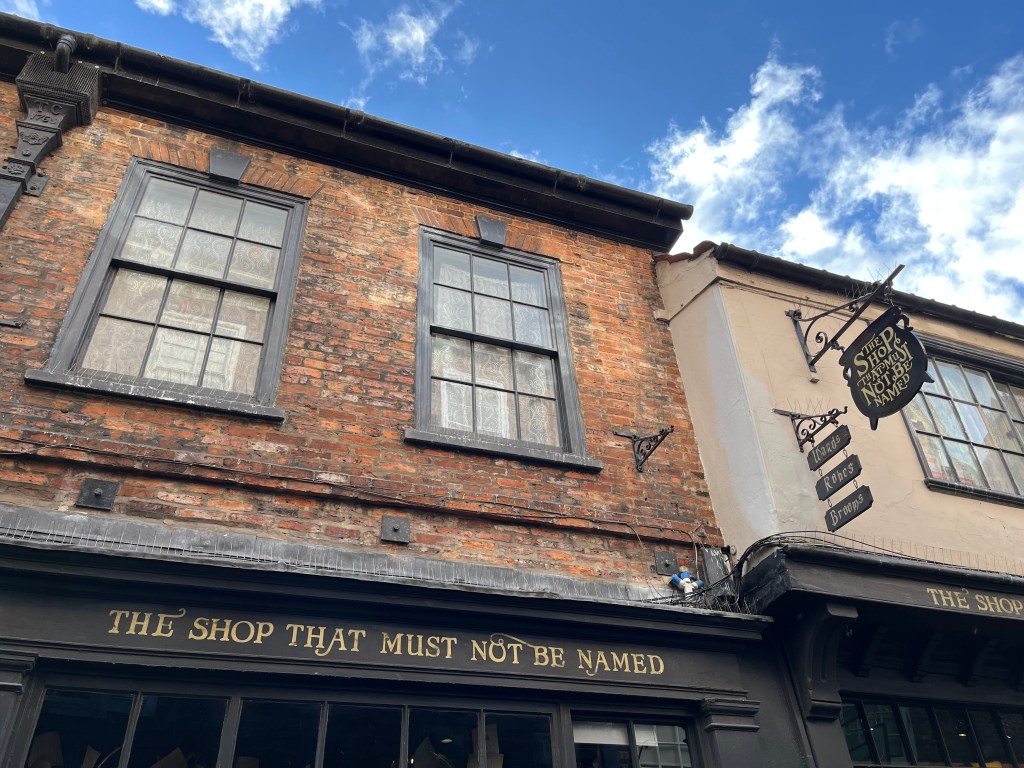
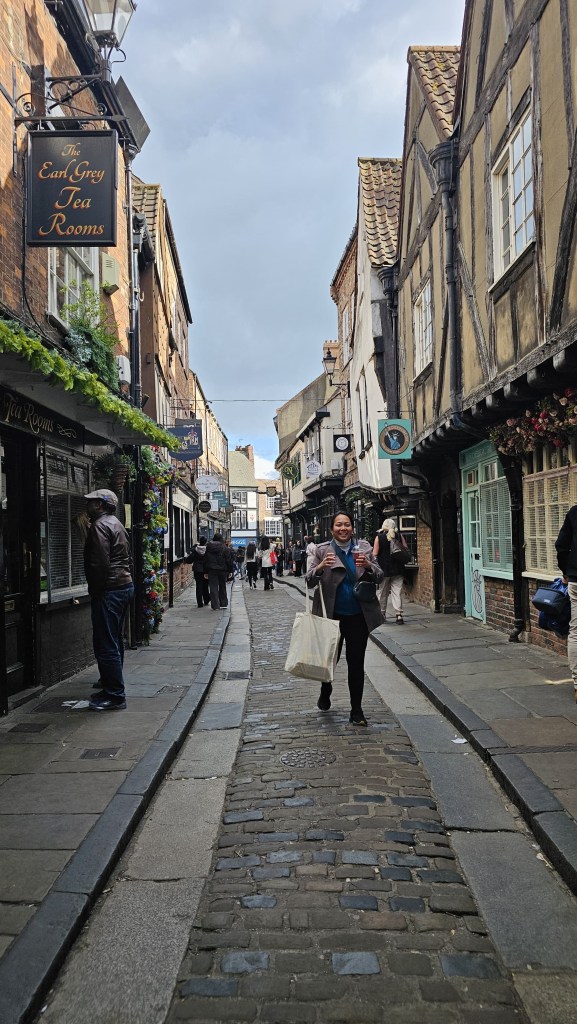
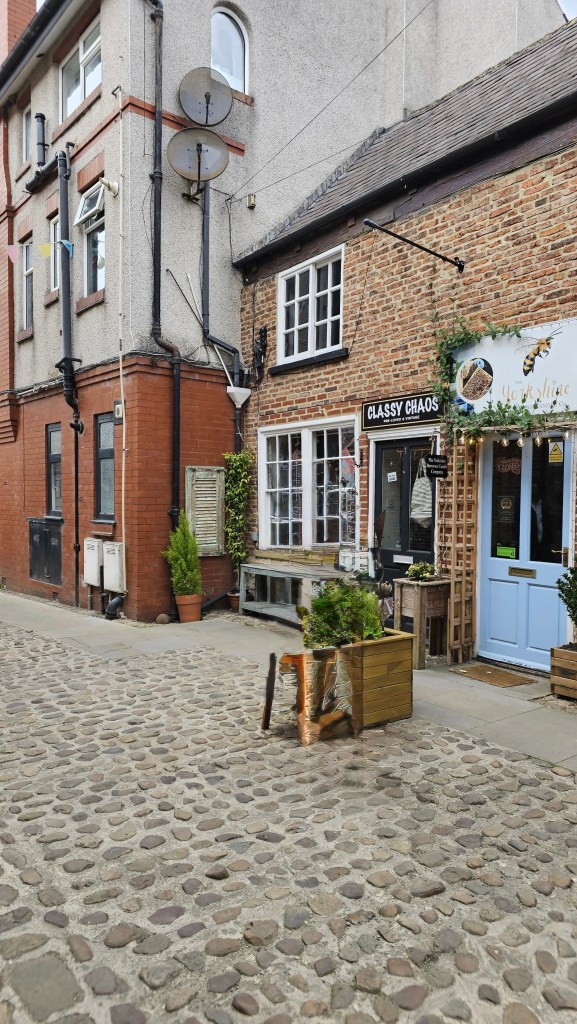
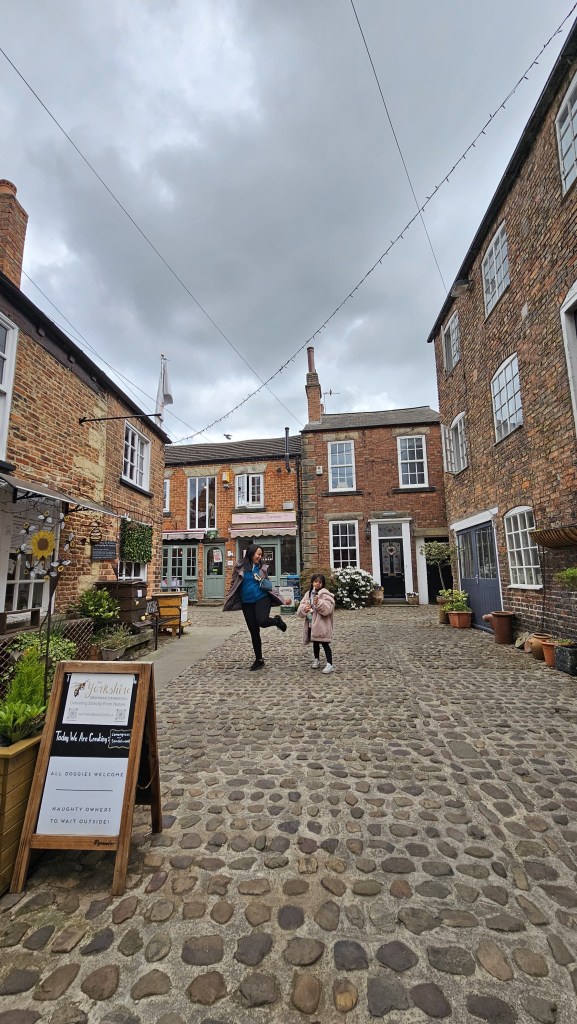
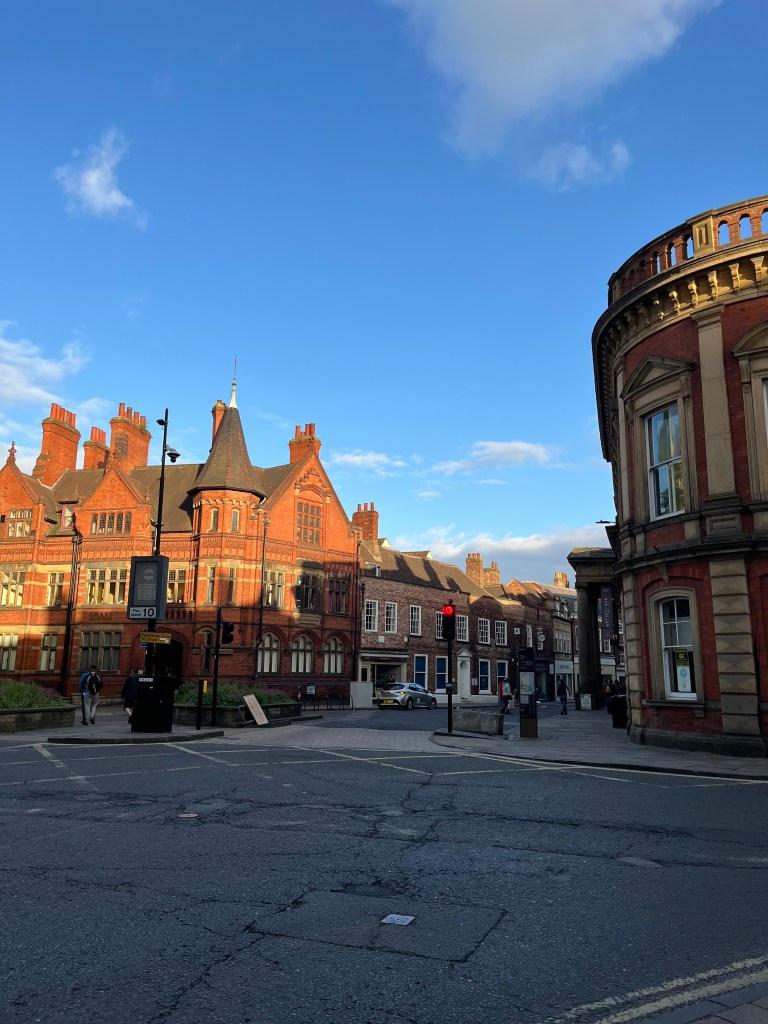
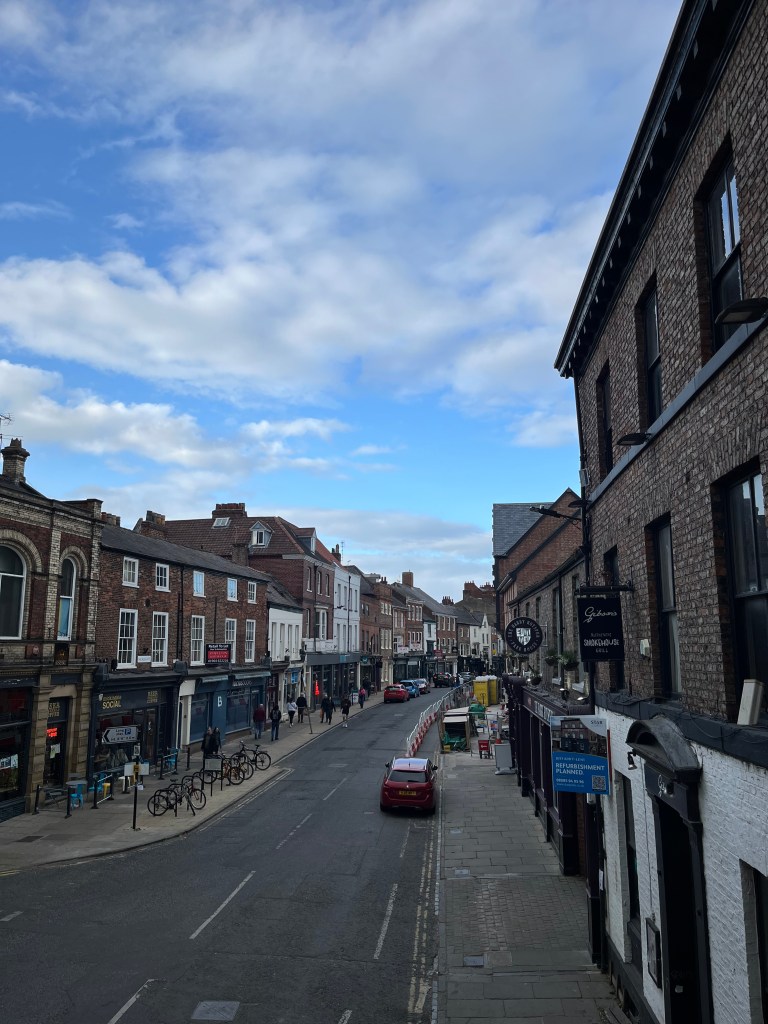
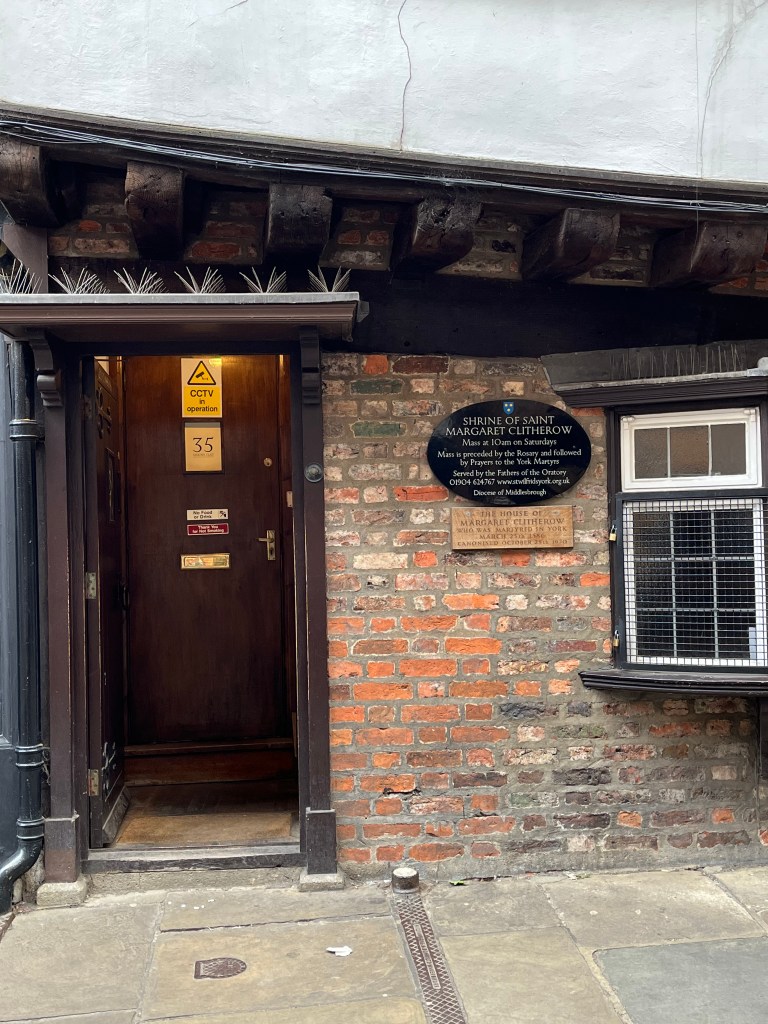
After exploring York Minster, we wandered deeper into the city and let ourselves get lost in its charming streets. The Shambles was everything people say it is—narrow, crooked, and full of character, with little shops tucked into every corner.
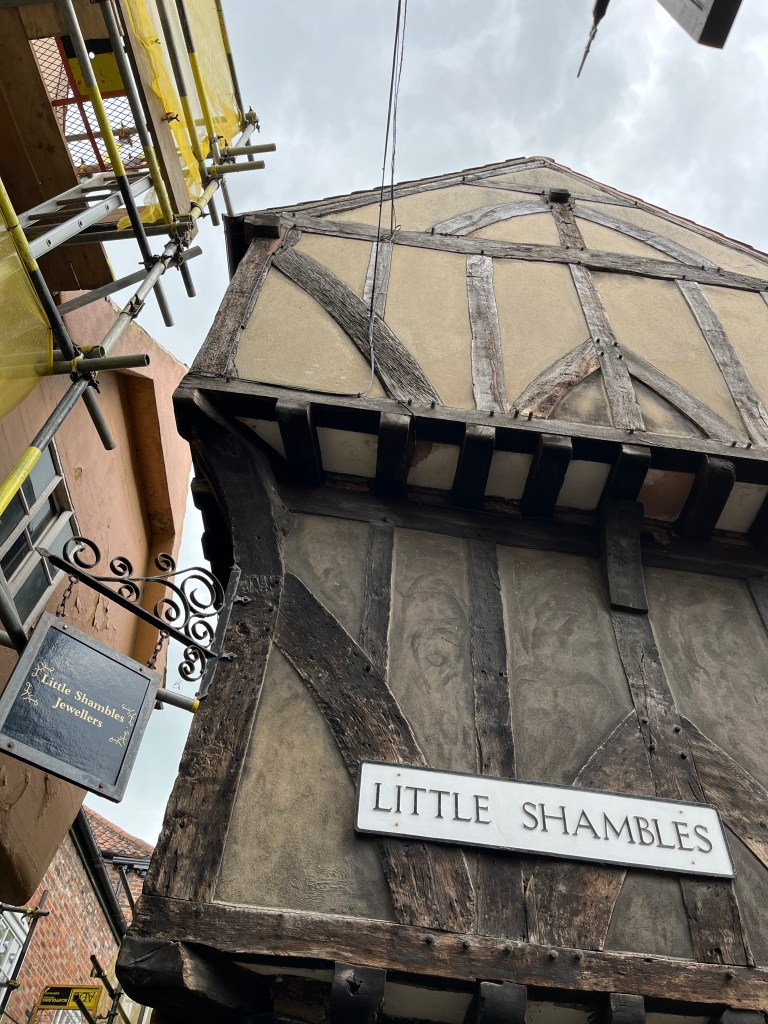
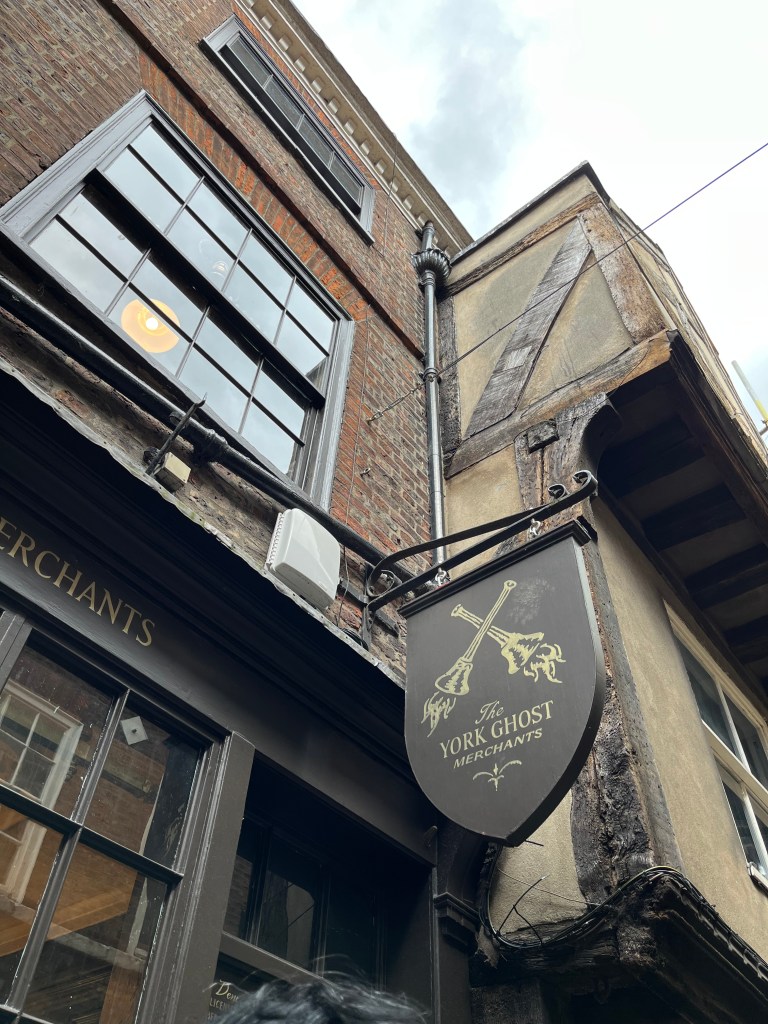
We browsed through boutiques, souvenir stores, and bakeries that smelled way too good to ignore. Too bad that that time, they were doing renovations around the area, but all was still good. We grabbed some food along the way, the kind that tastes even better when you’re walking through a place that feels centuries old. Every turn seemed to reveal something new: a hidden alley, a quirky shop, or a café that looked straight out of a movie set. York had this perfect mix of history and coziness, and wandering through it made me feel like I was stepping through different eras all at once.
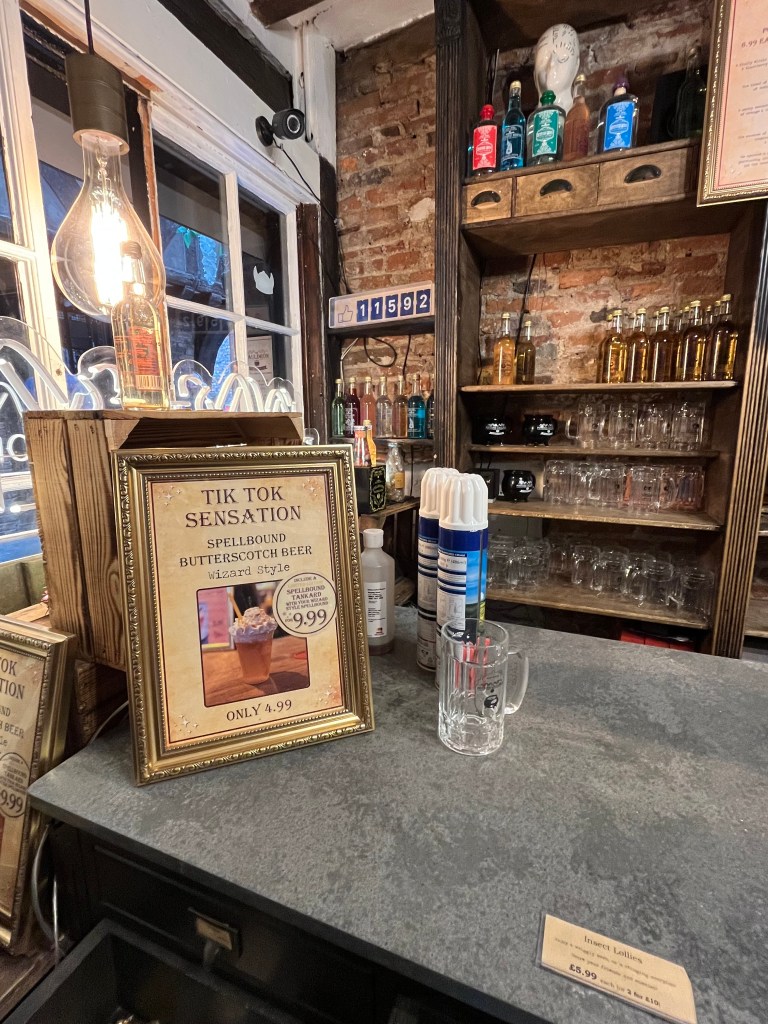
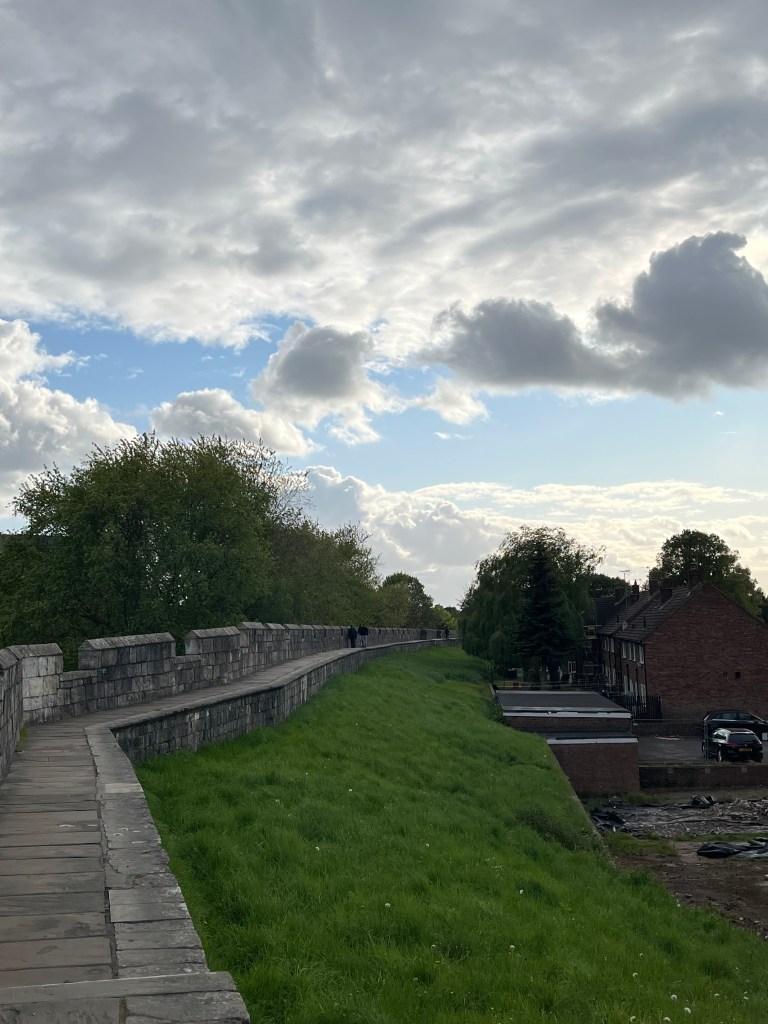
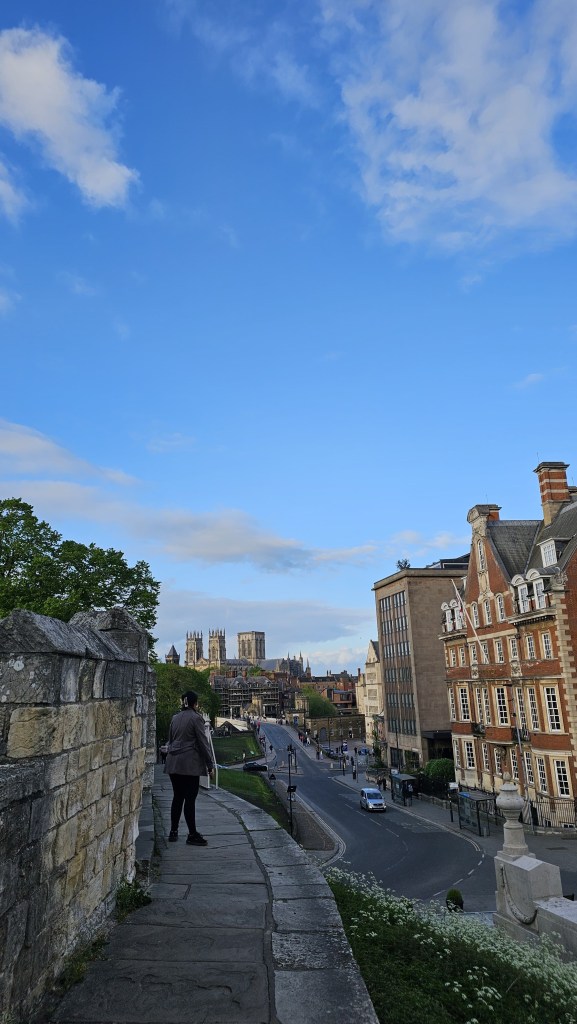
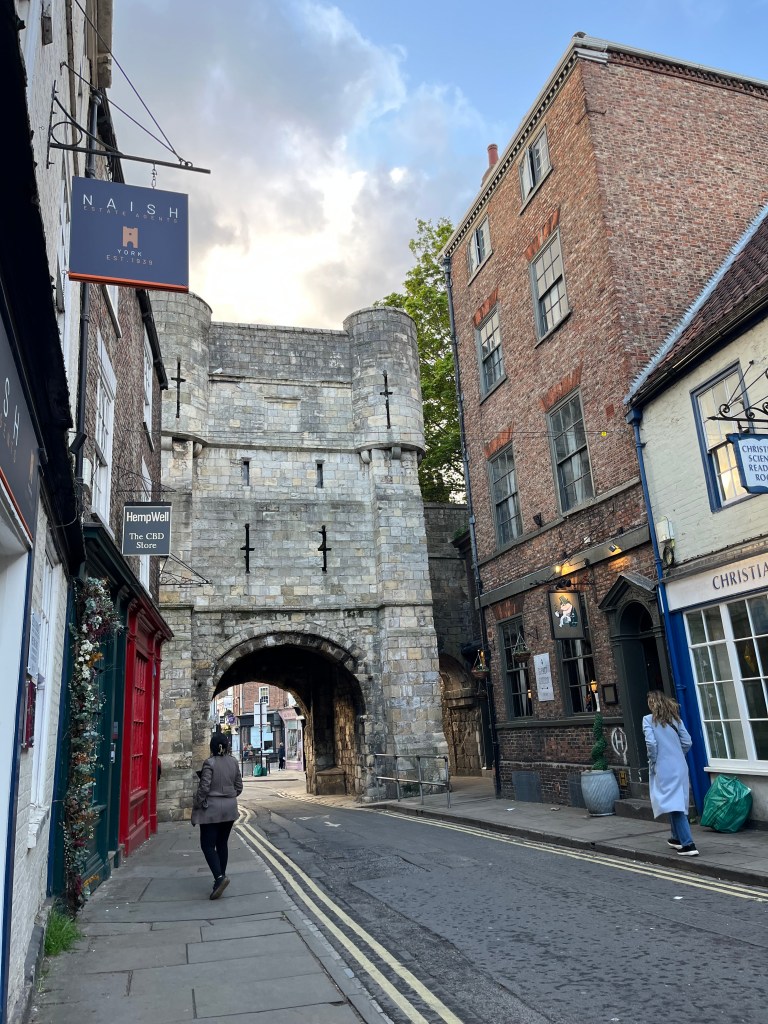
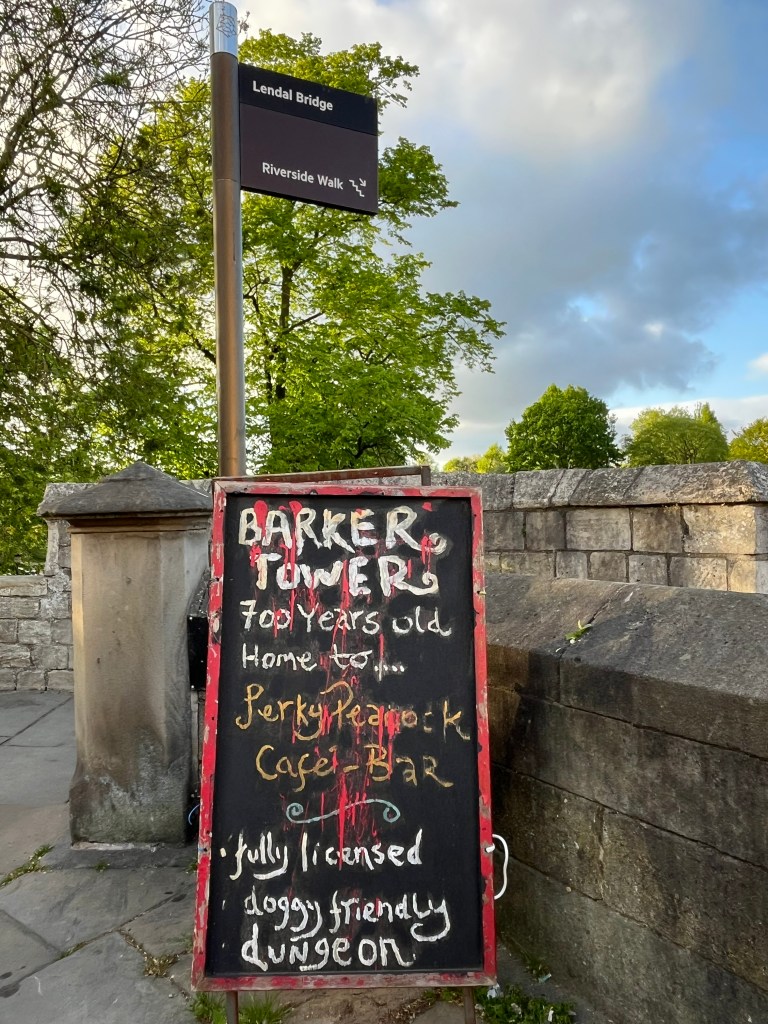
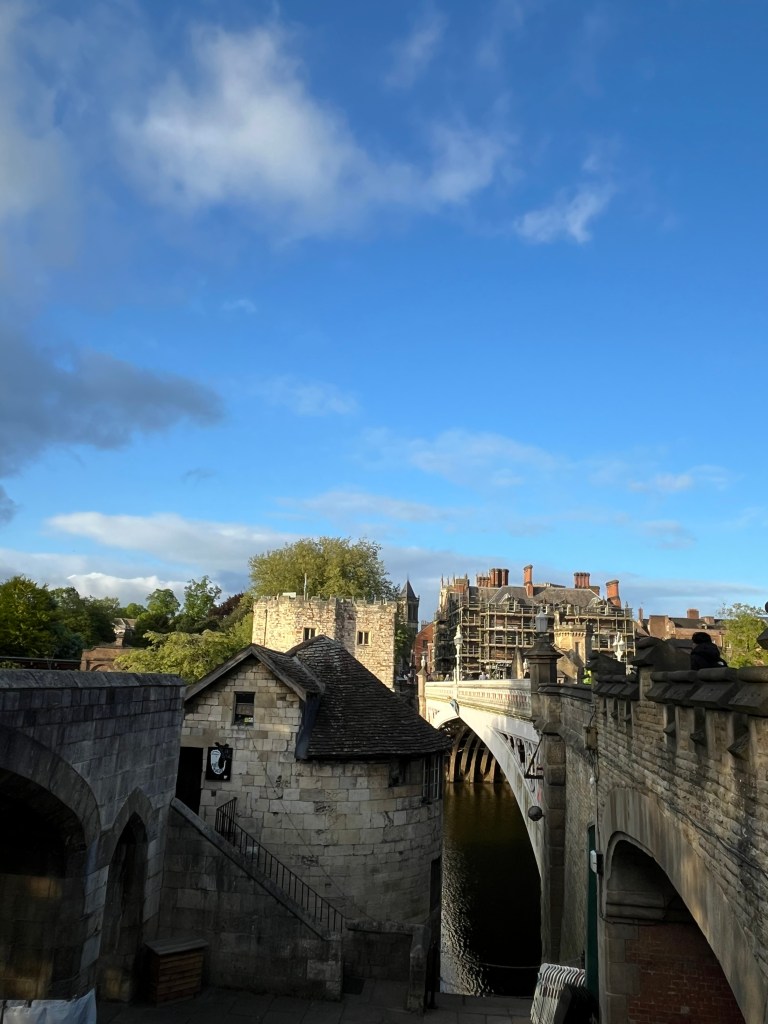
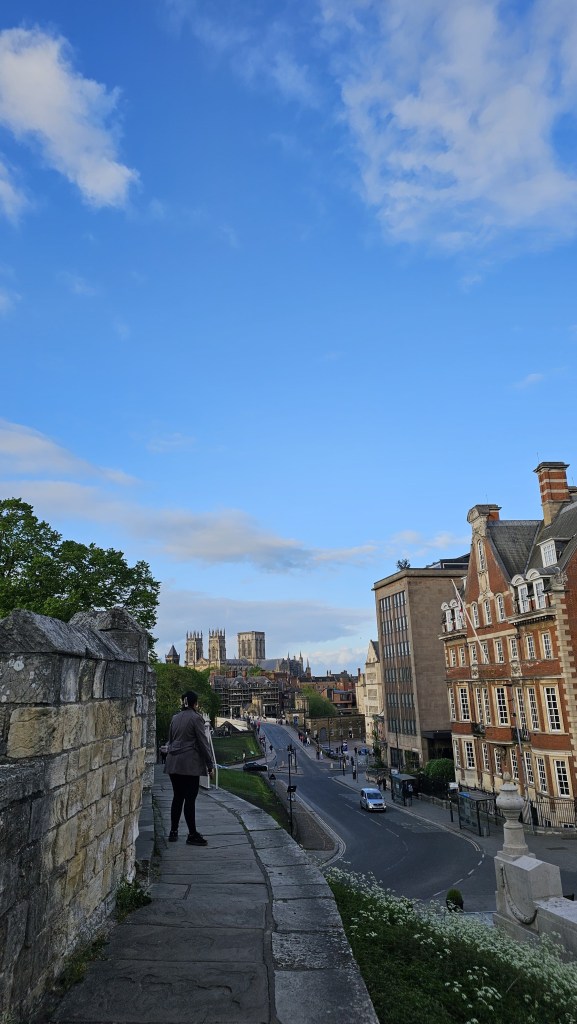
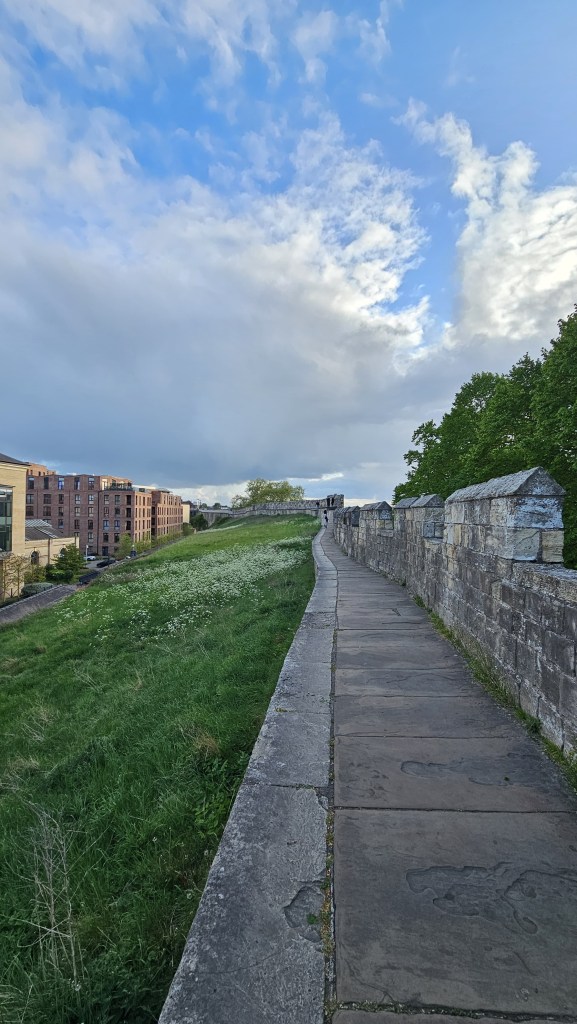
After exploring the shops, we headed up to walk the York City Walls. According to YorkWalls.org.uk, the 3.4 km (2‑mile) stretch of remaining masonry encircling the old City of York makes up the medieval City Walls—often called the “Bar Walls”—a scheduled ancient monument. They’re the longest town walls still standing in England. Built primarily in the 13th century using magnesian limestone and, uniquely for England, earthen ramparts, the walls form a beautiful elevated walkway around the city. The moats that once surrounded them have long disappeared, but in March and April the rampart slopes burst into a spectacular display of daffodils, making the walk feel almost enchanted.
See post Wall trail and free audio guide and maps : https://www.yorkwalls.org.uk/?page_id=3690
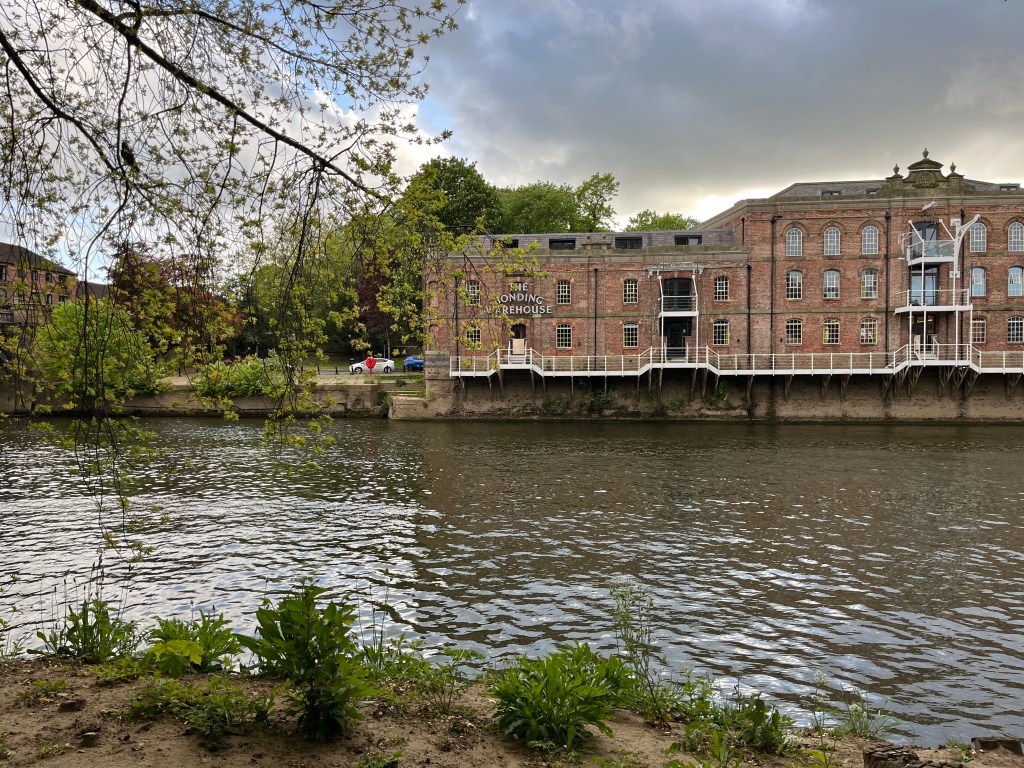
By the time we finished walking the walls, wandering the Shambles, eating our way through the streets, and browsing every shop that caught our eye, York had completely swept me off my feet. There’s something magical about how the city blends ancient history with everyday life—cathedrals towering over cafés, crooked medieval lanes leading to modern boutiques, and hidden corners that feel like they’ve been waiting centuries for you to find them.
York felt like a warm hug from the past with a playful wink from the present, the kind of place that charms you without even trying. As we headed home, bags in hand and feet tired from exploring, I couldn’t help thinking: if every city flirted with visitors the way York does, none of us would ever go home.
 hasytraveldiaries
Leave a comment